
Your Source for Industrial Automation News
Insights & Updates
BASF's Automation Revolution: Transforming Chemical Manufacturing for Efficiency and Sustainability
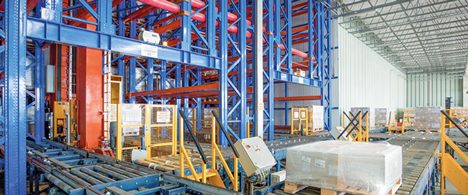
BASF, the world’s largest chemical producer, is leading the adoption of automation in chemical manufacturing to enhance efficiency, safety, and sustainability. In an industry known for its complexity and strict regulations, BASF uses advanced technologies such as robotics, AI, IoT sensors, and digital twins to improve production control, reduce human error, and ensure consistent product quality. These systems automate tasks like mixing, material handling, and packaging, while also enabling predictive maintenance and real-time process optimization.
Key components of BASF’s automation strategy include automated process control, robotics for safer and more efficient material handling, AI-driven predictive maintenance, and digital twins for simulating production changes without disrupting operations. At the Ludwigshafen plant, one of the largest chemical facilities in the world, these innovations are fully integrated to streamline production and support sustainability goals. Real-time data monitoring ensures optimal energy use and resource efficiency, while automation helps minimize waste and emissions.
Beyond operational gains, automation plays a central role in BASF’s sustainability initiatives. By optimizing energy consumption, reducing waste, and supporting circular economy practices like automated recycling, BASF demonstrates how automation can align industrial productivity with environmental responsibility. Through these efforts, BASF not only enhances its global competitiveness but also sets a benchmark for the future of smart, sustainable chemical manufacturing.